
2026-10-24 · Michael 'Mike' Thompson
How to Handle Water Damage from Nor'easters in Annapolis Homes
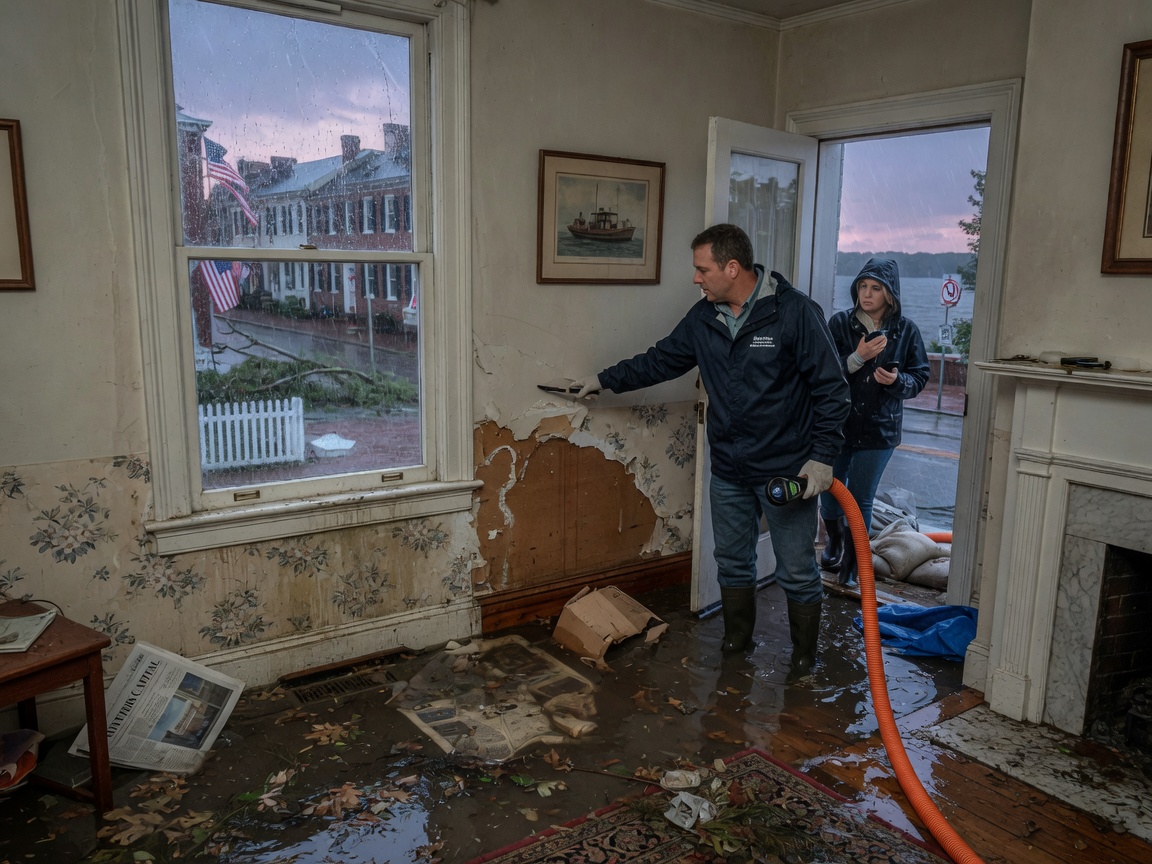
To effectively handle water damage from Nor'easters in Annapolis homes, immediate action is paramount: first, prioritize safety by shutting off power and identifying the water source; next, begin emergency water removal within 24–48 hours to prevent secondary damage like mold; then, thoroughly dry and dehumidify affected areas, followed by professional assessment and restoration of structural components and contents. Given Annapolis's humid subtropical climate and older housing stock in areas like Historic Annapolis and Eastport, rapid response is even more critical to mitigate long-term issues from persistent moisture. The unique challenges of coastal weather, especially near City Dock or the Chesapeake Bay, mean that proper preparation and a swift, informed response are your best defense against extensive damage.
Understanding Nor'easters and Their Impact on Annapolis
Nor'easters are powerful storms that frequently affect the Mid-Atlantic region, including Anne Arundel County. These weather events are characterized by strong northeast winds, heavy precipitation—often rain, but sometimes snow or sleet—and significant coastal flooding. For Annapolis, a city interlaced with waterways and close to the Chesapeake Bay, the impact can be severe. Neighborhoods like Murray Hill and Admiral Heights, with their proximity to the water, are particularly vulnerable to storm surge and tidal flooding. Older homes, common in areas like Historic Annapolis, often have basements or crawl spaces that are more susceptible to water intrusion during prolonged heavy rainfall. The ground, already saturated from previous rains, struggles to absorb additional water, leading to hydrostatic pressure against foundations and potential seepage through walls and floors. This makes understanding the specific risks from Nor'easters a critical first step for any homeowner in the area.
Immediate Steps After a Nor'easter Hits
When a Nor'easter brings water into your Annapolis home, your first priority is safety. Always ensure the power is off in affected areas before entering, especially if water levels are high. Next, identify the source of the water if possible. Is it a roof leak, a burst pipe from wind damage, or floodwater entering through a foundation? While professional help is essential, you can take initial steps to minimize damage. If the water is clean (from a burst pipe, for example), you can begin carefully removing standing water using buckets or wet/dry vacuums. For floodwater or sewage, it's best to wait for professionals, as these can contain contaminants. Moving furniture and valuables out of the water's path can prevent further damage. Documenting the damage with photos and videos immediately is also crucial for insurance claims, providing a clear record of the initial state of your property.
Emergency Water Removal and Drying
Once the immediate safety concerns are addressed, the next critical phase is emergency water removal. Time is of the essence in Annapolis, especially given the area's propensity for mold growth in a humid environment. Within 24–48 hours, standing water should be extracted to prevent it from saturating porous materials like drywall, insulation, and wooden structures. Our team utilizes powerful pumps and industrial-grade wet/dry vacuums to remove water quickly and efficiently. Following extraction, thorough structural drying and dehumidification is essential. We deploy high-capacity air movers and commercial dehumidifiers to reduce ambient moisture levels, drying out hidden pockets of saturation within walls, floors, and ceilings. This process is vital to prevent secondary damage, such as warping wood, delaminating flooring, and the dreaded onset of mold, which can become a significant issue if moisture persists, especially in older homes found in neighborhoods like West Annapolis or Parole.
Assessing Damage and Preventing Mold Growth
After the bulk of the water has been removed and initial drying has occurred, a detailed assessment of the damage is necessary. This involves inspecting all affected materials for signs of irreversible damage, such as swelling, warping, or permanent staining. Porous materials like carpet padding, certain types of insulation, and drywall that have been saturated for too long often need to be removed and replaced to prevent future problems. Given Annapolis's humid climate, preventing mold growth is a primary concern. Mold can begin to grow within 24–48 hours of water exposure, especially in warm, damp conditions. Our technicians use moisture meters and thermal imaging cameras to detect hidden moisture pockets that could harbor mold. If mold is already present, specialized mold remediation protocols are implemented to safely remove it and treat affected surfaces, ensuring your home's air quality and structural integrity are restored. Early detection and intervention are key to avoiding costly and extensive mold issues.
Restoration and Repair for Annapolis Homes
The final stage of handling Nor'easter water damage is the comprehensive restoration and repair of your Annapolis home. This phase focuses on bringing your property back to its pre-damage condition. Depending on the extent of the damage, this could involve replacing compromised drywall, flooring, trim, and insulation. For homes in areas like Eastport or near the U.S. Naval Academy, where historic architectural details are common, careful attention is paid to matching existing materials and finishes. Structural repairs, if needed, are also addressed to ensure the safety and stability of your home. Our team coordinates with you throughout this process, providing clear communication and transparent timelines. We understand that recovering from water damage can be stressful, which is why we strive to make the restoration process as smooth and efficient as possible, ensuring a complete and lasting repair that stands up to future Annapolis weather.