
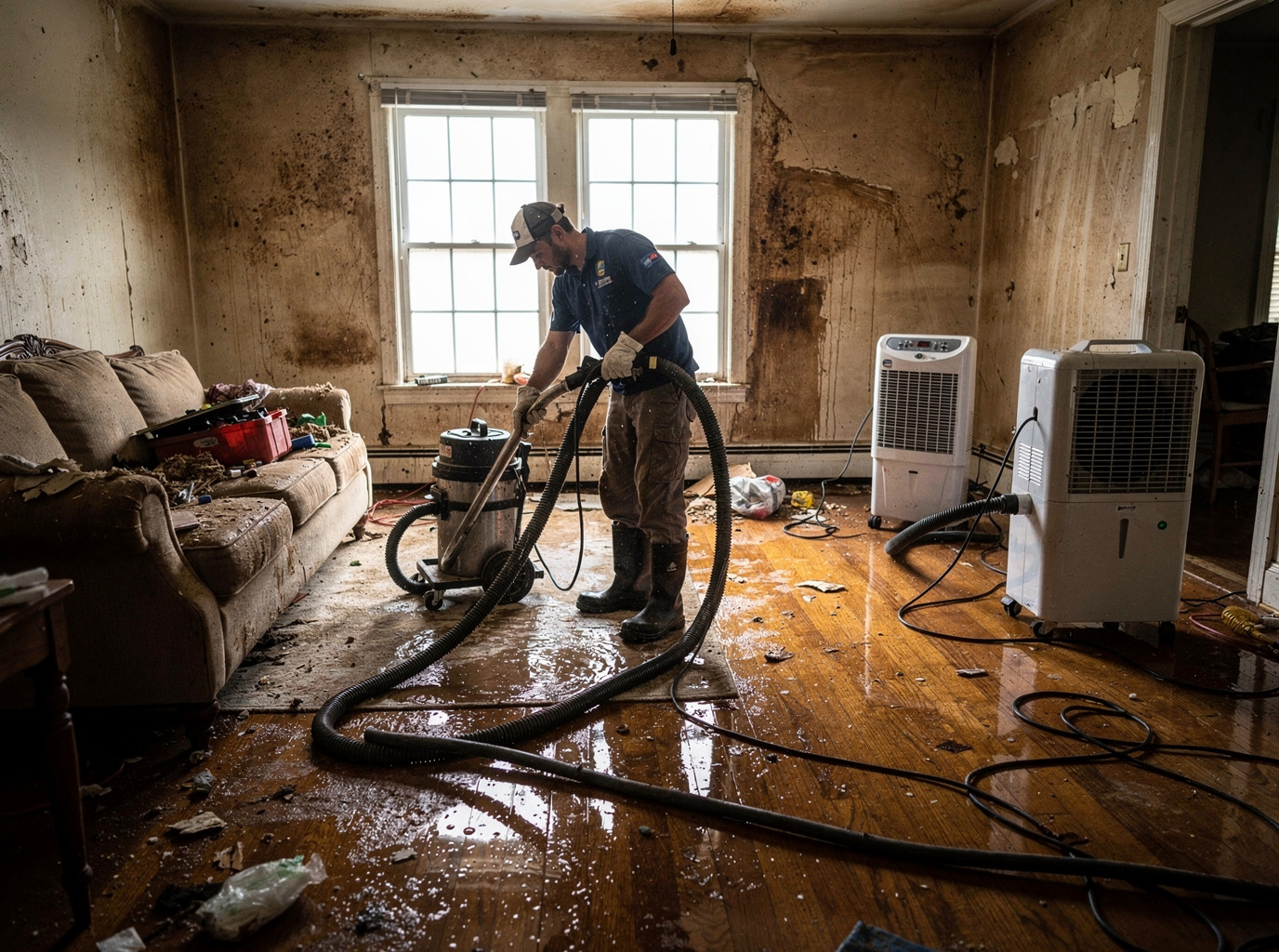
Annapolis, situated in Anne Arundel County, experiences a humid subtropical climate, which means our hot summers and cool winters often bring intense weather events. When tropical storms or hurricanes roll in from the Chesapeake Bay, as they periodically do, the resulting water damage can be extensive and fast-moving. Homes in areas like Eastport and Admiral Heights, many of which are older and closer to the water, are particularly vulnerable. We frequently see issues ranging from compromised roofs and siding leading to attic and wall cavity saturation, to basement flooding from overwhelmed drainage systems. The unique challenges here often involve navigating tight spaces in historic properties, ensuring structural integrity isn't compromised, and meticulously drying out materials like plaster and old growth lumber that react differently to moisture than modern drywall.
The aftermath of a significant storm, whether it’s a nor'easter or a full-blown hurricane, demands more than just basic water extraction. In Annapolis, the hydrostatic pressure from saturated ground can force water through foundation cracks, especially in older homes in Murray Hill or near the City Dock. This isn't just about surface water; it's about deep saturation of subflooring, insulation, and even the structural elements of your property. Our approach accounts for the specific building materials common in this region, such as brick, stone, and various types of wood, all of which have different drying times and susceptibility to mold. We also understand the urgency required, particularly when dealing with potential contaminants from storm surge or overflowing sewage systems, which can elevate a simple water intrusion to a Category 3 black water event requiring specialized remediation protocols.
Beyond the immediate water removal, effective storm damage restoration in Annapolis involves a comprehensive understanding of potential secondary damage. The high humidity levels typical of our climate, especially after a storm, create an ideal environment for mold growth if moisture isn't thoroughly addressed. This is a critical concern for properties throughout West Annapolis and Parole. Our process includes advanced moisture mapping and thermal imaging to detect hidden pockets of water within walls, ceilings, and under floors, preventing future issues that might otherwise go unnoticed. We also consider the unique challenges posed by properties near the U.S. Naval Academy or the Maryland State House, where historical preservation guidelines might influence restoration techniques and material choices, ensuring all work complies with local regulations while restoring your property to its pre-loss condition.
Technician insight
In Annapolis, the thing that catches most people out with storm and hurricane water damage is the hidden moisture. With our older housing stock, especially in places like Historic Annapolis or Murray Hill, water can wick up behind plaster walls or get trapped in subflooring for weeks, leading to serious mold issues long after the visible water is gone. You really need specialized equipment to find it all, not just dry what you can see.
Eastport Home Flooded After Tropical Storm
A homeowner in Eastport called us after Tropical Storm Ophelia brought significant rainfall and winds, causing water to breach their roof and flood an upstairs bedroom and the ceiling below. We found saturated insulation and drywall, with water beginning to affect the hardwood floors. Our team quickly extracted the standing water, removed the compromised ceiling and insulation, and set up targeted drying equipment to prevent mold and further structural damage, restoring the area efficiently.
Storm and Hurricane Water Damage Restoration Services We Offer
✓Emergency Water Extraction
Rapid removal of standing water from storm surges, heavy rains, or overflowing waterways, minimizing saturation and preventing further damage to your property's structure and contents.
✓Structural Drying and Dehumidification
Thorough drying of building materials using industrial-grade dehumidifiers and air movers, targeting hidden moisture in walls, floors, and ceilings to prevent mold growth and structural compromise.
✓Contents Pack-Out and Restoration
Careful inventory, removal, and restoration of salvageable personal belongings and furniture affected by storm water, protecting them from further damage during the drying process.
✓Mold Prevention and Remediation
Application of antimicrobial treatments and, if necessary, safe and effective mold removal protocols to address any fungal growth triggered by prolonged moisture exposure after a storm.
✓Debris Removal and Site Cleanup
Efficient clearing of storm-related debris, including fallen trees, mud, and damaged building materials, to prepare the site for comprehensive restoration.
✓Document and Electronics Drying
Specialized techniques for salvaging important documents, photographs, and sensitive electronics that have sustained water damage from storm events, using vacuum freeze-drying or desiccant methods.
Storm and Hurricane Water Damage Restoration Cost in Annapolis, MD
| Service | Typical Range | What Affects It |
|---|---|---|
| Small Area Water Extraction (e.g., small room) | $500–$1,500+ | For minor flooding; price depends on water category and material affected. |
| Basement Flood Cleanup (moderate) | $2,000–$7,000+ | Includes extraction, drying, and antimicrobial treatment; varies by basement size and contents. |
| Multi-Room Storm Damage (e.g., main floor) | $5,000–$15,000+ | Covers extensive drying, potential material removal, and mold prevention; highly variable. |
| Emergency Board-Up/Tarping | $300–$1,000+ | Temporary securing of damaged roofs or windows to prevent further water entry. |
Ranges are typical for Annapolis, MD and confirmed with an exact written quote before any work starts.
How it works
- 1
Initial Assessment and Safety
Upon arrival at your Annapolis property, our team conducts a thorough assessment of the storm damage, identifying potential hazards and ensuring the site is safe for restoration work. We pinpoint the source of water intrusion and categorize the water to determine the appropriate remediation strategy.
- 2
Water Extraction and Debris Removal
Using powerful pumps and extractors, we swiftly remove all standing water. Simultaneously, we clear any storm-related debris, like mud, silt, or fallen branches, to facilitate access and begin the drying process effectively.
- 3
Drying, Dehumidification, and Antimicrobial Treatment
Industrial-grade air movers and dehumidifiers are strategically placed to dry out all affected structural elements and contents. We also apply antimicrobial agents to inhibit mold and mildew growth, especially crucial in Annapolis's humid environment.
- 4
Monitoring and Final Inspection
Throughout the drying process, we continuously monitor moisture levels using advanced meters and thermal imaging to ensure complete dryness. Once optimal levels are achieved, we conduct a final inspection to confirm the property is fully restored and safe.
Pricing
Pricing for storm and hurricane water damage restoration varies significantly based on the extent of water intrusion, the category of water, and the size of the affected area. We provide upfront quotes after a thorough on-site assessment.